10 Signs Your Digestive Fire Is Weak - And How to Fix It Naturally
Some days you wake up and your stomach just feels “off”. You eat something you usually handle easily, but it sits heavy. Your energy dips midday. Your tongue looks coated. You find yourself bloated, irritable or just not quite yourself.
In Ayurveda, this underlying trouble often ties back to one thing: your digestive fire or Agni. It’s the engine that transforms food into nourishment and fuel. When it’s strong, you feel light, clear and vibrant. When it’s weak, the ripple effects show up far beyond your stomach.
If you’re wondering whether your digestive fire is weak, here are the Ayurvedic signs of poor digestion, what they mean and how you can gently reignite your inner fire, naturally.
What Is Agni - And Why It Matters
In Ayurvedic terms, Agni is the metabolic fire in your body: the digestive fire that governs how well you process food, absorb nutrients, eliminate waste and maintain balance. When this fire is healthy, digestion is smooth, your appetite is normal, your mind is clear and your body works efficiently.
But when Agni weakens, your gut struggles. In modern science we might talk about the gut microbiome, the balance of bacteria in your digestive tract. When the gut contains too many harmful bacteria and not enough helpful bacteria, it’s called dysbiosis and this imbalance can spark digestive issues and beyond.
Connecting the two: when Agni is weak, the microbiome is often disrupted, digestion slows, elimination falters and overall health can follow. That’s why noticing weak Agni signs sooner makes a difference.
10 Signs Your Digestive Fire Is Weak
Here are the key indicators of a faltering digestive fire, expressed simply and clearly. Many of these appear in modern gut-health research as well (for example changes in bowel habits, skin issues, mood shifts).
If you recognise several, it’s a sign your Agni deserves attention.
1. Bloating after meals: A swollen or stretched feeling after eating, even small portions can make you feel bloated. This often points to slowed digestive activity.
2. A heavy feeling despite light eating: If light meals make you feel weighed down, it usually means food isn’t moving smoothly through the system.
3. Irregular or sluggish bowel movements: Constipation, hard stools or going less than three times a week often reflect reduced digestive strength. Your inner fire is not clearing waste efficiently.
4. Low or delayed appetite: When hunger cues come late or are absent, it usually means the digestive system isn’t ready to process food.
5. Gas, burping, foul-smelling stools: These symptoms commonly appear when food breaks down incompletely, a classic sign of weak digestive fire.
6. White coating on the tongue: In Ayurveda this is a strong sign of low digestive strength (low Agni) and accumulation of toxins (ama).
7. Fatigue or mental fog after eating: If meals leave you tired instead of energised, your body may be overworking to digest them.
8. Skin concerns: Dull skin, breakouts, acne or persistent irritation may reflect the gut-skin connection, where internal imbalances show externally.
9. Feeling sleepy immediately after meals: Feeling drowsy soon after eating suggests digestion is consuming more energy than it should.
10 Food feeling “stuck” in the stomach: A sense of prolonged fullness or heaviness signals slow gastric movement and weak digestive fire.
Additionally:
- Sugar or junk-food cravings: imbalance in gut bacteria can drive strong cravings.
- Frequent illness or lowered immunity: a disrupted digestive system affects your immune resilience.
If you see even a handful of these signs, it’s wise to respond rather than just accept them.

Why Does Your Digestive Fire Become Weak?
Modern routines challenge your digestive fire every day. These habits contribute to weakening it:
- Irregular eating times, rushing meals, snacking constantly
- High stress levels, not enough rest
- Cold, raw, heavy, processed foods
- Lack of movement, prolonged sitting
- Late nights, insufficient sleep
- Too many medications/antibiotics affecting microbiome
Over time, these subtle habits build up until your inner engine sputters.
How to Improve Digestion Naturally
Here’s where you reclaim your engine. These steps combine Ayurvedic wisdom and modern gut-health research, so you address both digestive fire and microbiome support to improve digestion naturally.
1. Eat warm, fresh, simple meals
Warm foods ease digestion. Steamed or lightly cooked vegetables, well-spiced soups, freshly made meals support Agni.
When you eat cold processed or raw heavy meals often, digestion slows.
2. Sip warm water throughout the day
Hydration at a gentle warmth keeps things moving and supports digestion. Constipation and difficulty passing stools are strongly tied to water intake.
3. Add digestive-boosting spices
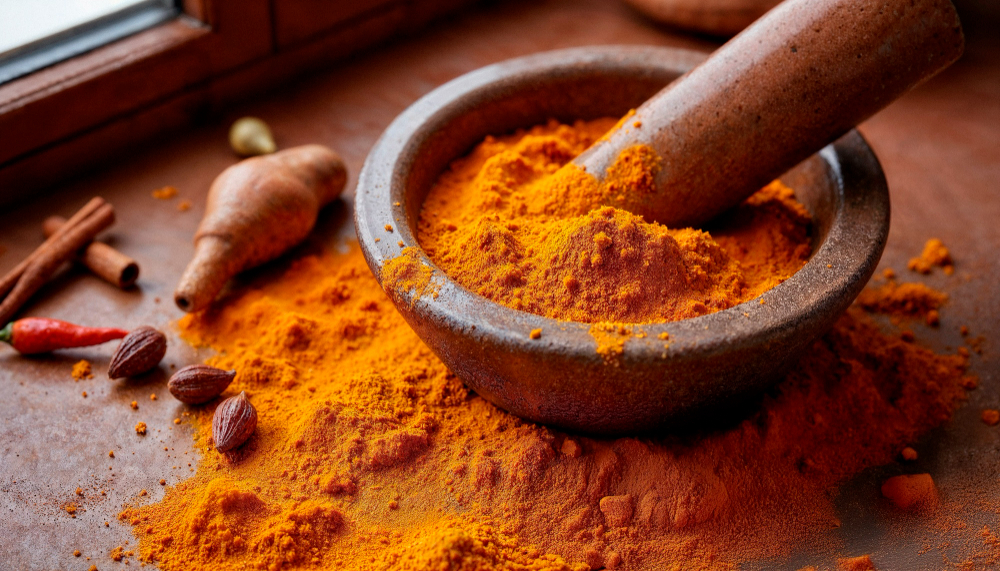
Adding small amounts of species like ginger, cumin, coriander and ajwain daily help awaken the digestive fire and support gut motility.
This aligns with Ayurvedic practices to balance Agni.
4. Reduce cold drinks / foods / ice
Cold temperature dampens Agni. Swap iced drinks for warm herbal teas; avoid cold salads late at night.
5. Eat when you feel true hunger
Your digestive system is designed to digest best when hungry. Forcing meals when not hungry or snacking constantly weakens Agni over time.
6. Move lightly after meals
A gentle 10-15 minute walk or light stretching after a meal stimulates gut motility and supports digestion.
7. Support your gut microbiome
In modern research, gut health is intimately tied to digestion and overall wellness.
Consider:
- Fermented foods (yogurt, kefir, sauerkraut) to add beneficial bacteria
- Fiber-rich foods (beans, vegetables, whole grains) to feed good bacteria
- Reducing ultra-processed sugar and alcohol which harm gut balance
8. Manage stress, sleep well and stay active
Stress disrupts gut motility and microbiome balance. Aim for quality sleep and movement to support your gut and your fire.
When to Seek Deeper Care
If you’ve been trying natural practices and still see constant signs, especially severe issues like frequent constipation, blood in stool, consistent/strong discomfort, it’s time to consult a professional.
In an Ayurvedic setting (such as at Ayurclinic), deeper support might include a full digestive assessment, personalised diet and herb prescriptions and therapies like Panchakarma to restore and balance Agni.
Conclusion
Your digestive fire may be quiet, but it’s never lost. Recognising the signs of weak Agni from bloating and coated tongue to skin issues and mood shifts, puts you in control.
Begin with warm meals, simple spices, mindful eating, light movement and support your gut microbiome. These steps help your engine restart.
Then, slowly and steadily: your energy returns, your digestion smooths, your skin clears, your mood lifts.
Let your Agni shine again, naturally.