How to Deal with Your Psoriasis
Psoriasis can lead to low self-esteem and depression; many patients with psoriasis struggle to leave their house in fear of humiliation. This chronic skin condition can take a toll on us; however, once you learn how to feel comfortable in your own skin, it can become easier. Here at Ayurclinic, we understand your concerns about your psoriasis and we are here to help. While there’s no one-size-fits-all cure, there are ways to reduce flare-ups, soothe your skin and regain control. Explore how to deal with psoriasis effectively.
What is Psoriasis
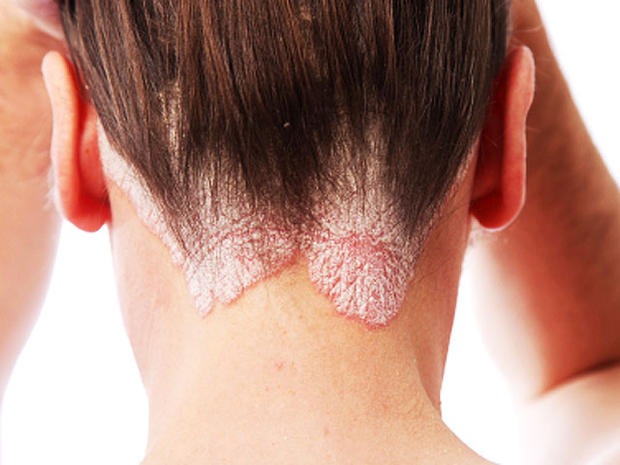
Psoriasis is a chronic, immune-related condition where skin cells multiply faster than normal, leading to thick, inflamed patches covered with silvery scales. It can appear anywhere: scalp, elbows, knees, back or nails, and often cycles through periods of flare and calm. For many, it’s not just the itch or pain but the emotional toll that makes it challenging. Stress, weather, diet and even small cuts can influence when and how psoriasis appears.
Common Triggers or Causes of Psoriasis
- Overactive immune system
- Family history or genetics
- High stress levels
- Infections (like strep throat)
- Cold or dry weather
- Skin injuries or cuts
- Certain medications
- Excessive alcohol use
- Smoking
- Hormonal changes
- Unhealthy diet or lifestyle
- Lack of sleep
- Obesity or being overweight
How to deal with Your Psoriasis
Own your psoriasis
Don’t let the condition take over you, learning to accept it and move forward is the best way to deal with psoriasis. Continue to think with a positive mindset and try speaking positively. Practice phrases such as: “my psoriasis doesn’t bother me” or “my psoriasis doesn’t define me”.
No one’s looking
Don’t stress out about people staring at your psoriasis, chances are no one is looking! Be positive, psoriasis is a common condition that many deal with. Don’t waste your summer days constantly covering up. Avoid layering on the items of clothing in summer, the sweat can cause irritation against your skin and cause your psoriasis to flare up.
Intimate relationships
Being intimate can be scary when dealing with psoriasis, thinking about your partner being right up close to your psoriasis can be a major put off. Don’t let this fear get in the way of moving forward with your partner. Don’t be afraid of sharing your psoriasis struggles with your partner, if they’re bothered by this then they’re not the right one for you.
Reduce your stress
The more anxious you are about being embarrassed about psoriasis, the worse you are making it. Stress can trigger psoriasis, try and work on managing stress in order to prevent a psoriasis flare. You can read more about Psoriasis treatments here.
Communication
Open up and speak to people about your psoriasis, you may find that confiding in others can make you feel better. Chances are you will probably meet someone with psoriasis or a similar skin condition that affects them in the same manner.
Don’t feel comfortable talking to a friend or family member? Try talking to one of our highly qualified practitioners, contact us on +61 3 90782940 or email at [email protected].
Ways to Manage Psoriasis
Keep Your Skin Moisturised
Moisturising is your first line of defence. Apply a thick, fragrance-free cream or ointment after every shower. This helps trap moisture and protect your skin’s barrier. If your home has dry air, especially in winter, use a humidifier to prevent dryness.
Tip: Avoid hot showers; lukewarm water for 10–15 minutes is ideal. Pat your skin dry gently and apply moisturiser immediately.
Adopt a Gentle Skin-Care Routine
- Use mild, fragrance-free cleansers.
- Avoid harsh scrubs, loofahs or exfoliants that may irritate plaques.
- Wear soft, breathable fabrics like cotton.
- Limit exposure to very hot or dry environments.
- Small changes in your daily routine can help your skin feel calmer and reduce flare frequency.
Eat for Skin Health
There’s no single psoriasis diet, but what you eat can influence inflammation.
Try including:
- Colourful vegetables and fruits rich in antioxidants.
- Whole grains, legumes and healthy fats (like olive oil, nuts, avocado).
- Omega-3-rich foods.
Avoid highly processed, sugary and fried foods that may worsen inflammation.
Manage Stress & Sleep Better
Stress is a major trigger and poor sleep can make inflammation worse. Practice mindfulness, yoga or meditation for 10–15 minutes daily. Gentle stretching or a walk in the park can calm both body and mind. Prioritising relaxation can make a visible difference in your skin health.
Move Your Body Regularly
Regular exercise supports circulation, reduces stress and helps maintain a healthy weight, all of which can ease psoriasis symptoms. Choose something you enjoy: yoga, swimming, cycling or brisk walks. Even 30 minutes a day matters.
Avoid Smoking and Limit Alcohol
Both can interfere with your body’s healing and worsen psoriasis. Reducing or avoiding these habits can lead to gradual improvement over time.
When to Seek Professional Help
If your psoriasis covers large areas, becomes painful or you experience joint stiffness or swelling (possible psoriatic arthritis), it’s time to see a qualified professional. Early guidance can prevent complications and help you find the right combination of treatments.
Psoriasis and Ayurveda
In Ayurveda, psoriasis is considered a form of Kushtha, a group of skin disorders linked to an imbalance of the body’s three doshas (Vata, Pitta and Kapha) and the accumulation of toxins (Ama). This traditional approach sees skin health as a reflection of internal balance; digestive fire (Agni), emotional state and lifestyle all play a role.
At Ayurclinic Melbourne, our Ayurvedic practitioners combine classical wisdom with modern understanding. We offer:
- Personalised Ayurvedic consultations
- Herbal medicines
- Panchakarma therapies
- Diet and lifestyle guidance
- Stress-relief therapies
Conclusion
Managing psoriasis is about building a rhythm, a balance between caring for your skin, calming your mind and listening to what your body needs; every small act of self-care counts. And if you’re ready to go deeper, Ayurvedic healing can offer a holistic way to nurture your skin and overall wellbeing.
At Ayurclinic Melbourne, we’re here to help you, offering compassionate and individualised care, combining the best of traditional Ayurveda and modern understanding.
Disclaimer: The information in this article is for educational purposes only and not a substitute for professional medical advice. Always consult a qualified healthcare professional or Ayurvedic doctor before starting any treatment. All our services are provided in accordance with Australian health regulations and standards.