Health Benefits of Lemon Myrtle: Ayurveda Insights
Curious about the health benefits of lemon myrtle? Lemon myrtle is an Australian native herb that has long held a special place in traditional healing and modern wellness routines. Today, many turn to lemon myrtle for its zesty aroma, refreshing taste and most importantly, its impressive list of benefits for body and mind. Whether sipped as a warming tea, sprinkled on creative dishes or enjoyed as an essential oil, lemon myrtle has much to offer. In this blog, discover what is lemon myrtle, learn about its Ayurveda perspective and see how adding it to your lifestyle could renew your approach to natural health.
What Is Lemon Myrtle
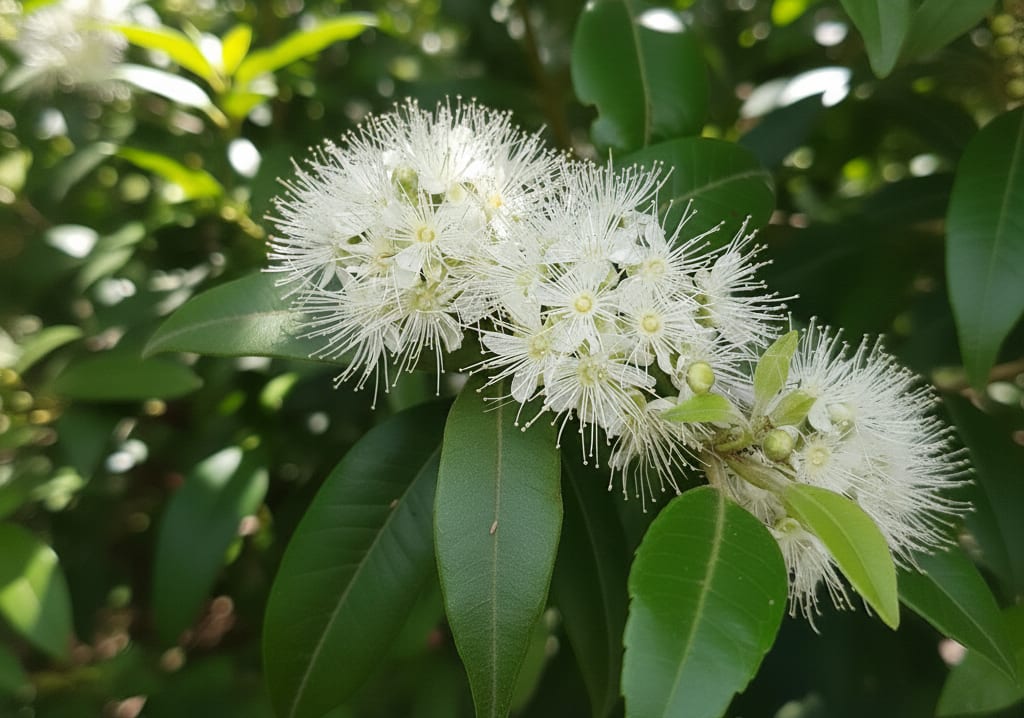
Lemon myrtle (Backhousia citriodora) is a flowering plant native to Australia’s rainforests. The leaves exude a bright lemon-lime scent and are packed with citral, a potent compound responsible for much of its aroma and health benefits. Indigenous Australians have used the leaves as both bushfood and natural medicine for thousands of years. Steamed, inhaled or boiled, it remains popular for its flavor and healing touch in many homes around the world today.
Lemon Myrtle in Ayurvedic Tradition
Ayurveda, ancient India's holistic healing system has always prized plants and herbs that restore natural balance in the body. While lemon myrtle isn’t originally from India, its properties echo those revered in Ayurvedic medicine. Lemon myrtle can help pacify aggravated vata and kapha doshas with its warming, antimicrobial and digestive nature. Its essential oil, rich in citral, is considered both cleansing and calming, supporting the respiratory tract and soothing the mind.
Lemon Myrtle Health Benefits
So, what are the health benefits of lemon myrtle? Here’s a friendly exploration of how this “Queen of Australian Herbs” can help:
Antioxidant Powerhouse
Lemon myrtle is loaded with antioxidants, especially Vitamin C and flavonoids, which help protect cells from everyday oxidative stress and support natural detoxification. This means better immune defense, slower signs of aging and a boost to your body’s natural healing processes.
Digestive Aid
Known for stimulating digestion, lemon myrtle is traditionally used for bloating, indigestion and irritable bowel sensations. Just a cup of lemon myrtle tea can soothe the tummy and help reduce discomfort, making post-meal relaxation easier and more enjoyable.
Immune System Booster
Lemon myrtle’s combination of Vitamin C, citral and antimicrobial qualities strengthen the body’s defenses. Regularly drinking lemon myrtle tea or adding it to dishes may help you fight off seasonal threats and recover from colds or sinus discomfort more quickly.
Respiratory Support
Struggling with a sore throat, stuffy nose or sinus troubles? Lemon myrtle’s anti-inflammatory and antimicrobial properties can help open airways and ease irritation. It’s a favorite in Ayurvedic and naturopathic traditions for bronchitis, influenza and stubborn coughs.
Natural Stress Relief
Lemon myrtle has a calming, sedative effect that can gently still the mind. Add a few leaves to a cup of warm water before bedtime or use the essential oil in an aroma diffuser to unwind and relax ancient wisdom paired with modern stress relief.
Skin and Oral Health
Lemon myrtle offers gentle support for skin irritations, minor wounds and acne with its antiseptic qualities. It also works wonders for oral hygiene by reducing bacteria linked to ulcers and bad breath natural protection with a refreshing citrus twist.
Additional Benefits
Lemon myrtle is truly a natural powerhouse. It offers some extra little bonuses that make it a handy herb to keep around. It naturally fights off bacteria and fungi, sometimes even better than tea tree oil, which is pretty impressive! This makes lemon myrtle great for helping with minor infections and keeping your skin clear.
If you’re looking for a little calm after a busy day, lemon myrtle can help with that too. Its soothing scent promotes relaxation and can help you get a peaceful night’s sleep.
Got an annoying insect bite? Lemon myrtle can calm itching and reduce swelling. Women especially may find it helpful during tough days, as it can ease menstrual discomfort and support women’s wellness.
How To Enjoy Lemon Myrtle
- Tea: Boil leaves for a calming, antioxidant-rich tea.
- Spice: Sprinkle powdered lemon myrtle on fish, chicken, rice or even desserts.
- Aromatherapy: Use a few drops of essential oil in a diffuser for relaxation.
- Topical: Dilute essential oil and apply (with caution) for skin or joint issues.
Always use lemon myrtle products as directed and consult an Ayurvedic or healthcare professional if you have allergies or any special health conditions.
Frequently Asked Questions
What nutrients are in lemon myrtle?
Lemon myrtle has lots of good stuff like vitamin C, vitamin E, calcium, zinc, magnesium and lutein. It is also full of antioxidants, which help keep the body healthy and fight off sickness.
What is lemon myrtle traditionally used for?
People have used lemon myrtle for a long time to add flavor to food and make herbal tea. It’s also been used to help with coughs, colds, sore throats, stomach troubles and to freshen up the kitchen or bathroom with its nice smell.
Is lemon myrtle a superfood?
Yes, many call it a superfood because it has so many healthy nutrients and strong plant compounds. It helps boost the immune system, keeps skin healthy and supports overall wellness.
Are there any lemon myrtle tea side effects?
Drinking lemon myrtle tea is safe for most people. If you drink too much, it might upset your stomach. The oil is very strong, so don’t drink it. If you have allergies or take medicine, ask your doctor first, just to be safe.
How do you make lemon myrtle tea?
Just add one or two teaspoons of dried lemon myrtle leaves to hot water. Let it sit for about 5 minutes, then strain and enjoy. You can also mix it with honey or ginger for extra taste.
What does lemon myrtle taste like?
Lemon myrtle tastes fresh, a bit sweet and lemony kind of like lemon but even stronger and smoother.
Can you use lemon myrtle for your skin or as an aroma?
Yes! Lemon myrtle can be found in creams and oils that help with pimples, redness or dry skin. It’s also nice in a diffuser because the scent can help you relax and feel less stressed.
Is lemon myrtle safe for everyone?
Lemon myrtle is generally safe in teas and foods. Essential oil should always be diluted. When in doubt, consult your practitioner, especially for young children or during pregnancy.
What are the other uses of lemon myrtle besides health benefits?
Lemon myrtle is not just good for health! It adds a fresh lemon flavor to many foods like cakes, fish and sauces. It’s also used in skincare products and aromatherapy to help with skin issues and relaxation. Plus, it can be found in natural cleaning products because of its fresh scent and antibacterial properties.
Conclusion
With its vibrant flavor, rich heritage and wide-ranging health benefits, lemon myrtle truly stands out as a powerhouse of nature. From the Ayurveda perspective to general wellness, using lemon myrtle can help restore balance, support resilience and brighten daily rituals. Explore its health benefits today for a naturally zestful life. The “health benefits of lemon myrtle” are just a cup away.